Joondalup City are chasing the Perth U18 State League Division 1 title, and every point matters. Gosnells City have the ball in their own half when their centre back plays it forward to the striker.
The touch is poor. The ball bobbles up awkwardly, straight to Marko Starcevic's foot.
Most players would take a touch, assess their options, look for support. Marko saw something different. He popped the ball up on his left foot, spotted the space, and struck it with his right. His weaker foot. Over the goalkeeper, who could only watch as it sailed past him into the net.
"The connection felt surprisingly good off my weak foot, and as soon as it left my laces I knew to start running to celebrate," Marko says.
Two minutes gone. One moment of opportunism. The kind of goal that changes the energy of a title race match before most players have even touched the ball.
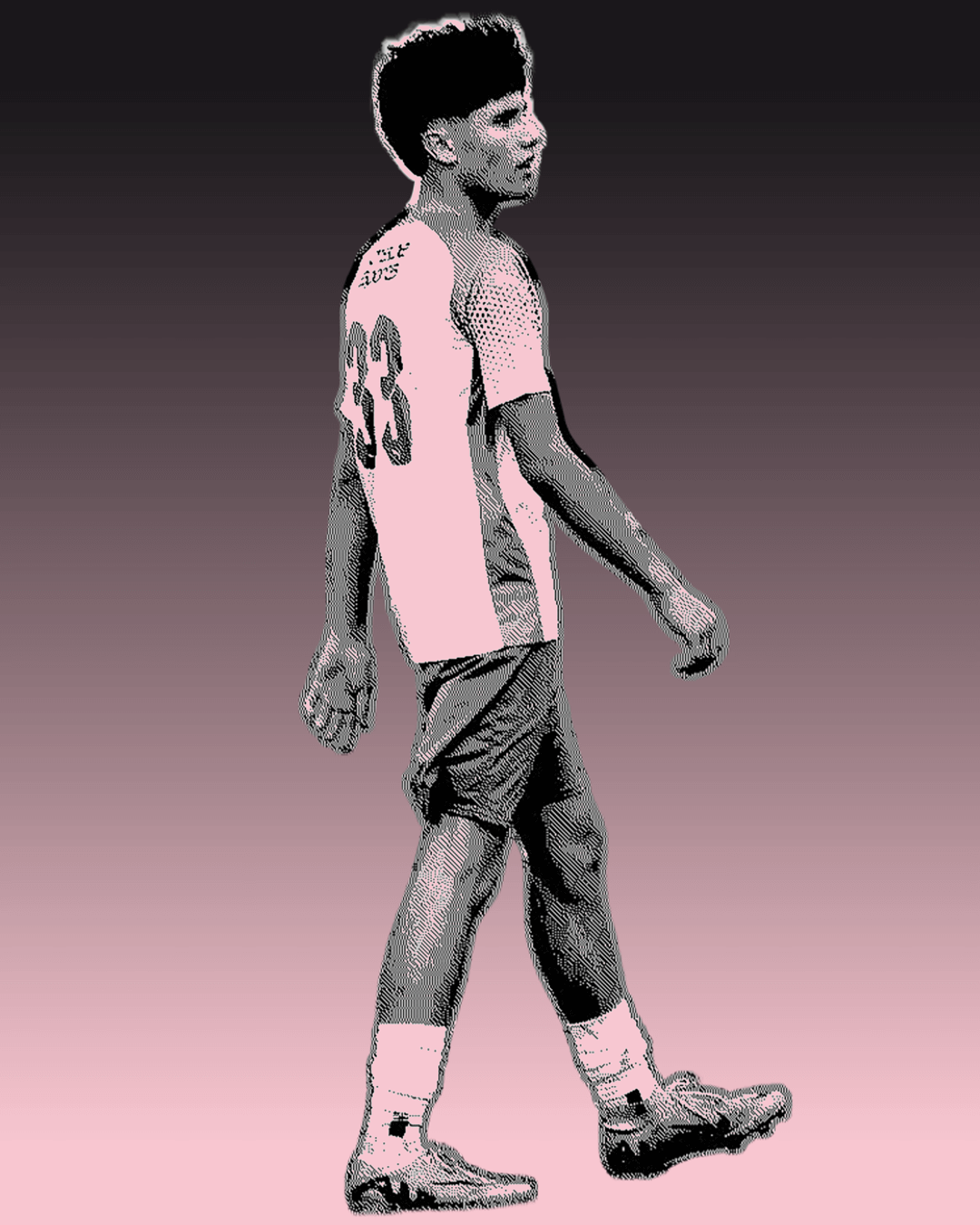
When opportunity arrives
The striker's heavy touch created the chance. Marko had maybe a second to recognize it and another second to execute. Pop it up, see the keeper's position, strike before anyone can close the space.
Getting that connection right on your weaker foot, first time, with the pressure of a title race hanging over everything? Most players don't even attempt it. Marko did, and the moment he made contact, he knew.
Some goals you hope go in. This one, he knew it was going in before it got there.
Joondalup City would go on to lose 2-1. The title hopes took a hit. But Marko's goal gave them a lead to fight for, and two minutes into a must-win match, that matters.

Reliving the moment
Marko watches the goal almost every week.
"I rewatch the goal almost every week, prideful in my footballing ability," he says. "Every time I watch it, I'm back in the moment, re-experiencing the euphoria and rush of excitement I got when it went in."
That's what having footage does. Not just proving it happened, but allowing you to go back to that exact feeling. The connection of the weaker foot. The certainty that it was going in. The sprint to celebrate before the ball even landed.
"Being able to rewatch every moment of my games and goals really allows me to analyse my performance and relive amazing moments such as my nominated goal," Marko says.
Analysis and emotion. The technical breakdown of what worked and what didn't, alongside the pure joy of watching yourself do something most players only dream about pulling off.
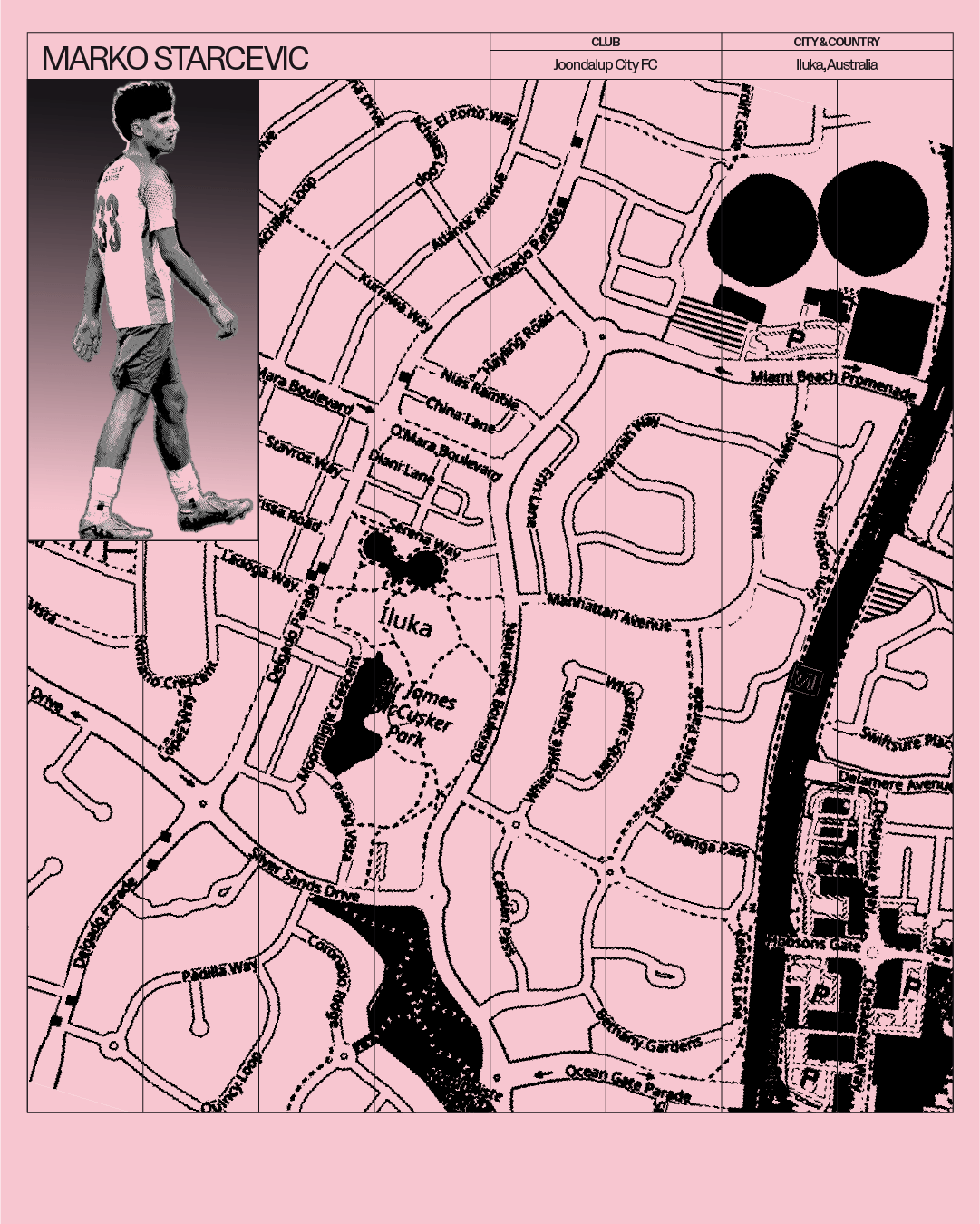
Recognition beyond borders
Marko's goal has been submitted for this year's People's Puskas, which spotlights the best goals scored away from the biggest arenas.
"To be nominated for the People's Puskas is such an honour," Marko says. "I knew my goal was good, but being given the opportunity for the world to see it means more than any form of recognition."
For players in Australia, where football competes with rugby, cricket, and Australian rules for attention, having these moments documented carries extra weight.
"It means the world to have this technology available, especially in Australia where football does not get the total attention it deserves," Marko says. "As a player in a smaller footballing country, I am proud to be able to represent the country and put my name on the map."
That's the reality for footballers outside Europe and South America. The quality exists. The moments happen. But without documentation, they exist only in the memories of the players who were there.
What the goal says
Watch Marko's goal, and you see decision-making under pressure. The opponent's poor touch creates an opportunity that exists for maybe two seconds. Most players wouldn't even process what's available before the chance closes.
Marko processed it, adjusted his body position, and executed with his weaker foot. First time. Over the keeper. Into the net. He knew his goal was good the moment it left his laces. Now everyone else gets to see it too.
Can you beat that?